Sidewalk Slope & ADA Basics for Homeowners in Navarre, FL
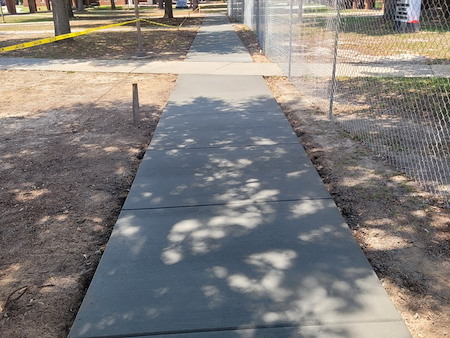
If you have ever pushed a stroller that keeps drifting or rolled a trash bin that pulls to one side, you have felt the effects of slope. This guide breaks down sidewalk slope ADA basics in plain language so you know what “good” looks like at home in Navarre, FL. When you are ready, our team at United Concrete LLC can handle the concrete sidewalk installation work so you do not have to worry about angles, drainage, or finishes.
What ADA Slope Means for a Residential Sidewalk
The Americans with Disabilities Act sets guidelines that help people move safely and comfortably. Even though many single-family homes are not public facilities, these guidelines are a smart benchmark for comfort, safety, and resale. Two ideas matter most for a sidewalk: cross-slope and running slope.
Cross-slope is the slight tilt from side to side that sheds rainwater. Running slope is the rise along the direction you walk. In ADA terms, a typical walkway stays gentle so most people can move without strain, and it transitions smoothly where it meets driveways and entries. That “quiet” feeling when you walk and do not think about your footing is what we aim for.
Cross-Slope vs. Running Slope: Simple Rules
Think of a sidewalk like a very shallow roof. It needs just enough side-to-side tilt to move water off the surface, and a comfortable, steady grade front to back so it does not feel like a ramp. Here are the simple, widely used targets:
- Cross-slope: about 2% cross-slope helps drain water without causing drift.
- Running slope: keeping near a 5% running slope or less makes walking feel natural.
Why These Slopes Matter For Safety
With a gentle cross-slope, rainwater heads for the lawn instead of pooling on the surface. A calm running slope reduces slip risk in wet or sandy conditions and makes it easier for people using mobility aids or pushing carts. When slopes get steeper, the path starts acting like a ramp. That is where details such as landings, hand placement, and transitions come in, especially near entries.
Landing Rules Without the Jargon
“Landing rules” sound technical, but the idea is simple: provide short, level areas where a person can pause, change direction, or enter a door without fighting gravity. These are especially useful if a stretch of walk has a noticeable incline or connects to steps, porches, garages, or driveway aprons. A landing should be flat, wide enough to stand and turn, and free of abrupt bumps at seams or thresholds.
If your lot has elevation changes, we design the path to break long grades into comfortable segments with level places at entries and where slopes change. That creates safer transitions for guests, deliveries, and everyday life, while keeping the path friendly to strollers and wheelchairs.
Local Factors in Navarre, FL That Shape Good Sidewalks
Navarre sits between the bay and the Gulf, so sidewalks live with wind-driven rain, summer heat, and sandy soils. Neighborhoods like Holley by the Sea, Navarre Beach, and areas near East Bay often see fast downpours that need a reliable way off the surface. Sand can shift under load, and coastal air can make surfaces slick if water lingers.
We look at where your lawn slopes, how close you are to shade or salt spray, and what tree roots might do over time. The goal is a path that carries water away from the home and into landscaped areas without creating ruts or puddles. Plan for water to drain away from the house, and your sidewalk will look better and feel safer through storm season.
Common Mistakes Homeowners Notice
You do not need a level to spot most slope problems. Your feet tell you. These are the issues we are asked to fix most often around Navarre:
- Sideways drift on a stroller or cart because the cross-slope is too strong.
- Puddles that do not drain after a gulf shower, leaving slick algae and grit.
- Sharp “lips” at joints or at the driveway edge that catch wheels and toes.
- Heaving or cracking near tree lines where roots push up from below.
- Steep driveway crossings where the walk meets the apron without a smooth transition.
Each of these has a slope or transition solution. When we rebuild or add new sections, we ease the cross-slope, calm the running slope where possible, and smooth the meeting points so you feel one continuous surface underfoot.
How Pros Set the Right Slope
Good sidewalks start with a clear plan. We review the site, mark drainage paths, and set elevations so water knows exactly where to go. Forms and stakes create the shape, and a compacted base helps the slab support traffic without settling. Finishing matters too. A crisp edge and consistent broom finish add traction without harsh texture.
On driveway crossings, we soften the approach so the sidewalk does not dip or twist. At porch steps or garage doors, we design level landing areas that align with thresholds. Control joints are placed to guide natural movement, so small changes over time do not turn into cracks you can trip on.
Curves, garden beds, and mailboxes get special attention. We aim for graceful arcs that keep the cross-slope steady so a curve does not feel like a tilt. Where walkways meet patios or paths to sheds, we match thickness and surface height to keep transitions clean. If you want to explore related options for your property, browse our concrete services to see how walkways tie in with other hardscapes.
Materials and Finishes That Boost Traction
In our climate, traction is your friend. A standard broom finish creates fine ridges that help shoes grip in the rain. Near shady areas or hose spigots that see frequent splash, we can adjust the finish pattern to help water move off the surface more quickly. For modern looks, we keep the texture subtle so the path still feels easy under wheels and bare feet.
Because coastal air can leave a light film, keeping the surface from holding water is key. Avoid glassy sealers that trap moisture. Instead, choose finishes that balance appearance and function. When the slope does its job and the finish adds grip, the walkway stays safer through summer showers and winter cold snaps.
Driveway Crossings and Transitions Done Right
Where a sidewalk meets a driveway, the surface changes direction and sometimes elevation. That is a prime spot for bumps or puddles. We tune the slopes so the sidewalk keeps its calm cross-slope while the driveway handles car traffic. The two meet with a smooth, shallow change that rolls underfoot instead of kicking up a toe.
Mailbox pads, curb cuts, and sidewalk-to-street transitions get the same care. A short, level landing where the slopes meet can make the space feel intuitive, especially for kids on scooters or guests pulling luggage. Avoid abrupt height changes at these seams and the whole front yard works better.
Designing for Visitors, Strollers, and Aging in Place
Sidewalk slope ADA ideas help real families every day. If you welcome grandparents, host backyard parties, or just want a safer path for trick-or-treaters, gentle slopes pay off. We like to widen tight turns, keep the cross-slope calm at porches, and create flat landings near doors and gates. The result is a walkway that feels ready for anything.
Thinking ahead saves future headaches. Today it is a stroller. Tomorrow it might be a walker or a rolling cooler. Clear widths, steady slopes, and well-placed landings make the home more welcoming without looking “institutional.”
How Weather and Soil Change the Plan
Navarre’s sandy soils drain fast on top but can shift below when saturated. Summer heat speeds up curing, and cold snaps can stress young concrete. We schedule the pour and set the finish to match the season so the surface cures evenly and the slope you paid for is the slope you keep.
Near the coast and bay, wind-driven rain can hit from the side. That is one reason keeping the cross-slope near 2 percent feels so good here. It is just enough tilt to move water toward lawns and planting beds without making anyone fight to stay centered on the walk.
When to Rethink Landings
If your lot climbs toward the house or drops off to the street, long stretches can feel like a ramp. That is when landings help. Level pads at the top and bottom of inclines or by doorways give everyone a place to pause and adjust. They also create natural spots for lights, house numbers, or planters, which make the entry feel finished.
We often pair landings with subtle grade breaks so your eye barely notices the change, but your feet do. That design-first approach keeps the front walk elegant while staying practical for guests and deliveries.
What To Expect When You Hire United Concrete LLC
You will get a simple plan that shows where water goes, where landings sit, and how the sidewalk ties into your driveway and entry. Our crew builds on a compacted base, checks forms and elevations, and finishes the surface with clean, even texture. We return to remove forms, clean up the site, and review maintenance basics so the sidewalk looks great for years.
If you want to dive deeper into care and design ideas, browse our concrete tips for seasonal insights that apply to Navarre and the surrounding communities.
Ready To Build a Safer, Smoother Sidewalk?
When you want the comfort of ADA-style slopes without the guesswork, choose a local team that understands our climate and soils. Talk with United Concrete LLC about sidewalk installation in Navarre, FL that looks great and feels right underfoot. Call us at 850-376-5945 to schedule a visit, or learn more about sidewalk slope ADA in Navarre, FL and how it fits into your project goals.
If you are mapping out a larger upgrade, you can also explore our concrete services to see how new paths, entries, and driveways can work together for better drainage and daily comfort with your home in Navarre, FL.

Call Your Trusted Navarre Concrete Installation Company Today!