Florida Concrete Patio Design: Keeping Patios Cool and Crack-Free in Subtropical Heat
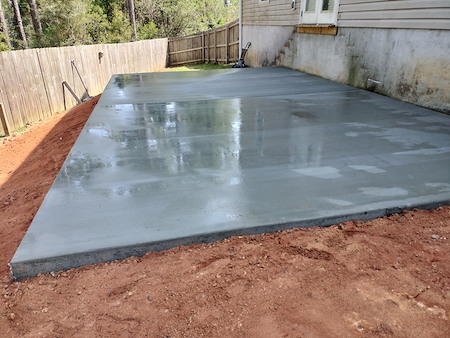
Florida summers bring sizzling UV, July heat waves, and sudden, heavy rain. If you want a backyard that feels cool underfoot and stays smooth through storm season, your patio needs the right plan from the start. This guide explains how Florida concrete patio contractors approach base prep, control joints, reflective finishes, and drainage so your slab performs for years. If you are weighing a new build, explore our patio and pool deck installation options with United Concrete LLC.
What Florida Concrete Patio Contractors Prioritize In Design
Great patios in Florida are built around three pillars: a stable base that drains, joints that manage movement, and a finish that resists heat and UV. When these parts work together, the surface looks good and feels good even on a 95-degree afternoon.
- Subbase tailored to local soils so sudden downpours do not wash out support.
- Control joints placed to guide natural shrinkage and thermal expansion.
- Light, reflective colors and textures that cut surface heat and improve traction.
- Positive slope that moves water away from your home and outdoor living areas.
Across the state, from the Panhandle’s sugar sand to Central Florida’s mixed fill and the limestone flats in South Florida, these fundamentals keep patios stable and comfortable.
Control Joint Placement That Tames July Heat
Concrete always moves as it dries and with daily temperature swings. The goal is to control where hairline cracks form. Professionals typically space control joints so the distance in feet is about two to three times the slab thickness in inches. For many home patios, that means tight, consistent joint grids that keep panels small enough to move without random cracking.
Depth and timing matter. Joints are cut to roughly one quarter of the slab thickness and made within the early cutting window. In peak summer heat, mixes can set faster, so pros monitor the slab and saw sooner to avoid raveling. Layout also avoids re‑entrant corners where cracks like to start, and adds joints around posts, planters, and steps so the slab has room to breathe. A clear joint plan on paper before the pour is one of the best crack‑prevention tools you can buy.
Perimeter details help too. Isolation joints at the house, wrapped with compressible filler and sealed, separate the patio from foundation walls so thermal movement does not push on your home or pull at door thresholds.
Keep Bare Feet Comfortable With Reflective Finishes
Surface color and texture drive how hot a patio feels at 3 p.m. Lighter integral colors, reflective concrete stains, and cool‑pigment sealers absorb less sunlight than darker finishes. Pair that with a broom, salt, or light stamp texture and the surface stays more comfortable after the sun breaks through afternoon clouds.
Stamped and decorative options still work in Florida if they are tuned for heat. Choose patterns with modest relief so water sheds and cleaning is easy. Ask for UV‑stable sealers and plan a maintenance reseal schedule based on exposure and foot traffic. Choose light, reflective tones where little feet and paws will spend time and save darker accents for borders or banding.
Drainage And Slope For Florida Downpours
Storms can dump inches of rain in minutes. A patio should pitch away from the house so water does not pond near doors or creep back toward the foundation. Many Florida projects target a gentle, consistent slope in the range used by pros for patios, which helps water move without feeling tilted under chairs.
On tight lots or low yards, surface drains or discreet strip drains at the patio edge collect and route runoff to a safe outlet. Downspouts should discharge beyond the slab, not onto it. In sandy coastal areas, separation fabric and well‑graded base rock keep the subbase from migrating during repeated wet‑dry cycles. For a deeper look at base choices that stand up to summer rains, read our article on the best base for a concrete patio in sandy soils.
Water has to leave faster than it arrives. That rule guides everything from the final grade to where a grill pad or fire pit sits so heat and moisture do not battle the slab in the same spot.
Local insight: Afternoon thunderstorms can push surface temps down fast, then the sun snaps back. That rapid cycle opens joints that a good installer already planned for. Keeping joints cleaned and properly sealed helps them work through Florida’s daily heat‑soak and cool‑off rhythm.
Safety note: Keep walking paths textured and drains clear before peak storm season so wet surfaces stay grippy and safe.
Details That Stop Cracks Before They Start
Reinforcement supports the joint plan. Many Florida patios use fiber reinforcement in the mix and steel only where the design calls for it. Edge thickening around steps or at slider doors adds strength where furniture and foot traffic concentrate loads.
Curing is another quiet hero. A curing compound or controlled moist cure slows early moisture loss so the slab gains strength evenly. That helps joints do their job and reduces curling at corners after sun and showers trade places through the week.
Transitions deserve attention. Where a patio meets a walkway, pool deck, or driveway, matching elevations and joint lines prevents trip edges and odd cracking paths. If you plan future connections, tell your contractor now so the joint layout and base can anticipate those links.
Stamped And Textured Patios That Stay Cool
Decorative concrete can beat the heat with the right palette and sealers. Stamped patterns that mimic stone or wood look great statewide when the colors lean light and the sealer is designed for UV. Textures add traction during summer showers and reduce contact area so surfaces feel slightly cooler.
Homeowners often search for “stamped concrete patio cost in FL.” Pricing varies by home size, finish, site conditions, and season, so a clear proposal is the best path. Focus on the performance details in the scope like base thickness, joint spacing, sealer type, and drainage plan. Those are the choices that protect beauty after hurricane season passes.
Plan The Whole Outdoor Living Space
A comfortable patio is part of a bigger picture. Think shade, breeze, and how people move between doors, grills, and pool gates. When a design adds paths to the garden or a gate, tying the elevations and joints together makes the whole space feel finished. If you want a smooth connection for trash can routes, strollers, or carts, look at a companion sidewalk installation that mirrors the patio’s slope and texture.
If you are just starting research, many folks begin at the home page by searching for florida concrete patio contractors to compare options and styles. Use that early stage to decide on color families, textures, and how much shade you want during the hottest months.
Real-World Drainage Examples Across Florida
In coastal Panhandle neighborhoods with sugar sand, installers often build a thicker, well‑compacted base over a separator layer so storms do not undercut the slab. Inland Central Florida lots with mixed soils may need spot stabilization and careful grading to avoid water trapped at fence lines. In South Florida, low elevations and summer cloudbursts push designers toward extra attention at patio thresholds and scuppers so water clears quickly.
Gutters and downspout extensions complement the patio design. Keeping roof runoff off the slab helps reflective finishes last and reduces the water your drainage has to move. A seasonal rinse and gentle cleaner protect sealers from sunscreen and pool chemicals.
- Keep furniture feet smooth to reduce point loads at corners.
- Trim landscaping back from edges so shade does not trap moisture at the slab.
- Rinse salt or fertilizer off the surface after yard work near coastal areas.
How Joint Layout and Finish Work Together
Joints and finish are a team. On larger patios, installers align saw cuts with stamp pattern lines or border bands so the grid looks intentional. Borders in a slightly darker tone add contrast without heating the whole field. Texture at the main walking lanes adds grip while smoother seating areas feel easier on bare feet.
Where patio spaces jog around columns or outdoor kitchens, short panels and added control joints reduce stress at inside corners. A sealed, light finish sheds afternoon showers and dries faster before dinner outside.
When To Consider A Pool Deck Or Drive Add-On
If you are refreshing the backyard, it can be smart to plan connected surfaces together. Matching mix, color family, and joint rhythm across spaces avoids seams that move differently. If a pool deck is in your future, align patio edges now so coping and deck joints line up during the next phase.
When your plan is set, review your scope line by line. Look for base materials, target slopes, joint spacing, finish system, and curing method. Clear specs prevent surprises after the pour and help you compare proposals on more than just a headline number.
Ready To Build A Cooler, Longer Lasting Patio
If you want a patio that stays comfortable in July and resists storm season, partner with a team that designs for Florida’s sun and rain. See what United Concrete LLC includes in our concrete patio installation process or call us at 850-376-5945 to talk through your space and schedule.

Call Your Trusted Navarre Concrete Installation Company Today!